Film Production in Bulgaria: Why It's One of Europe's Best-Kept Secrets for Budget Shoots
Studio infrastructure, coastline, mountain villages and a rebate that just got five times bigger
May 14, 2026
Bulgaria has been servicing international productions for two decades without making much noise about it. Here's what's actually on the ground — Sofia's studio complexes, Black Sea and mountain locations, crew depth, and the 25% cash rebate that changed shape in February.
Bulgaria has been taking international productions for the better part of twenty years, built the infrastructure to do it properly.
The studios are the part people underestimate
Sofia's studio infrastructure is the thing that surprises producers on a first visit. This is not a country with a couple of sound stages and good intentions.
The studio complexes carry standing backlots -London, New York, Mexico, the Middle East and Ancient Rome among them- alongside sound stages and the most modern water tank in Europe. Standing sets of that kind change what a schedule can absorb: a period street or a foreign city block that would otherwise be a build becomes a booking.
Around the stages sits the rest of it - construction workshops, art department, costume, and the suppliers who keep them fed. That ecosystem is what separates a place that can host a shoot from a place that can service one.
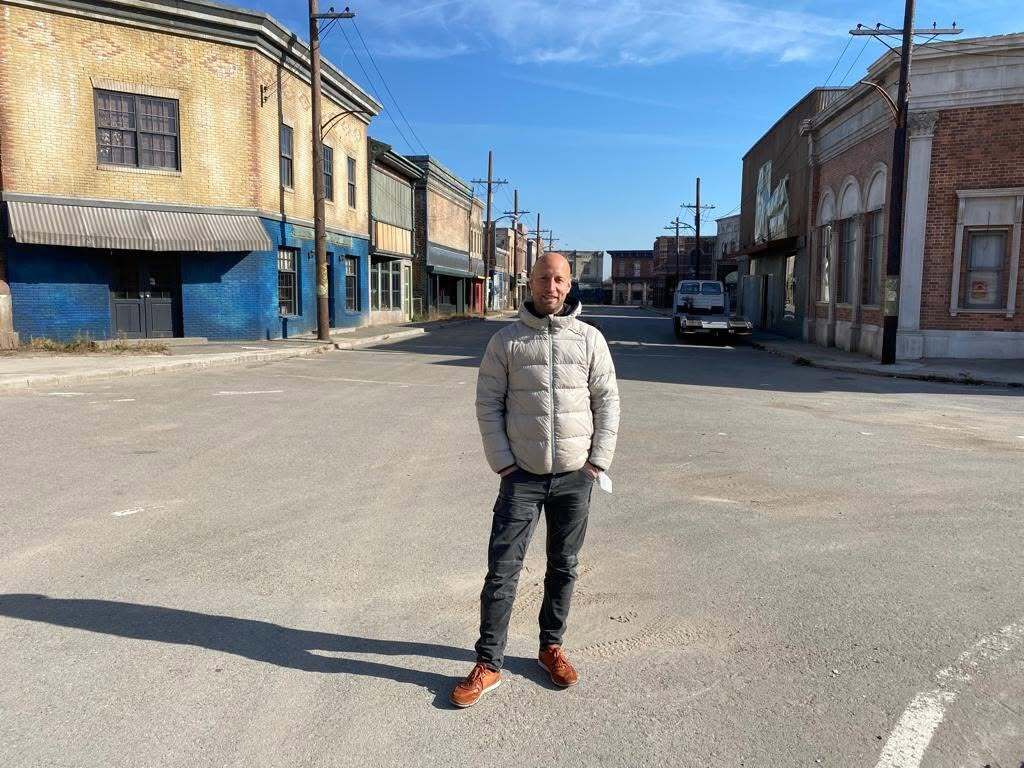
Source: Attila Horvath, Abroad Films
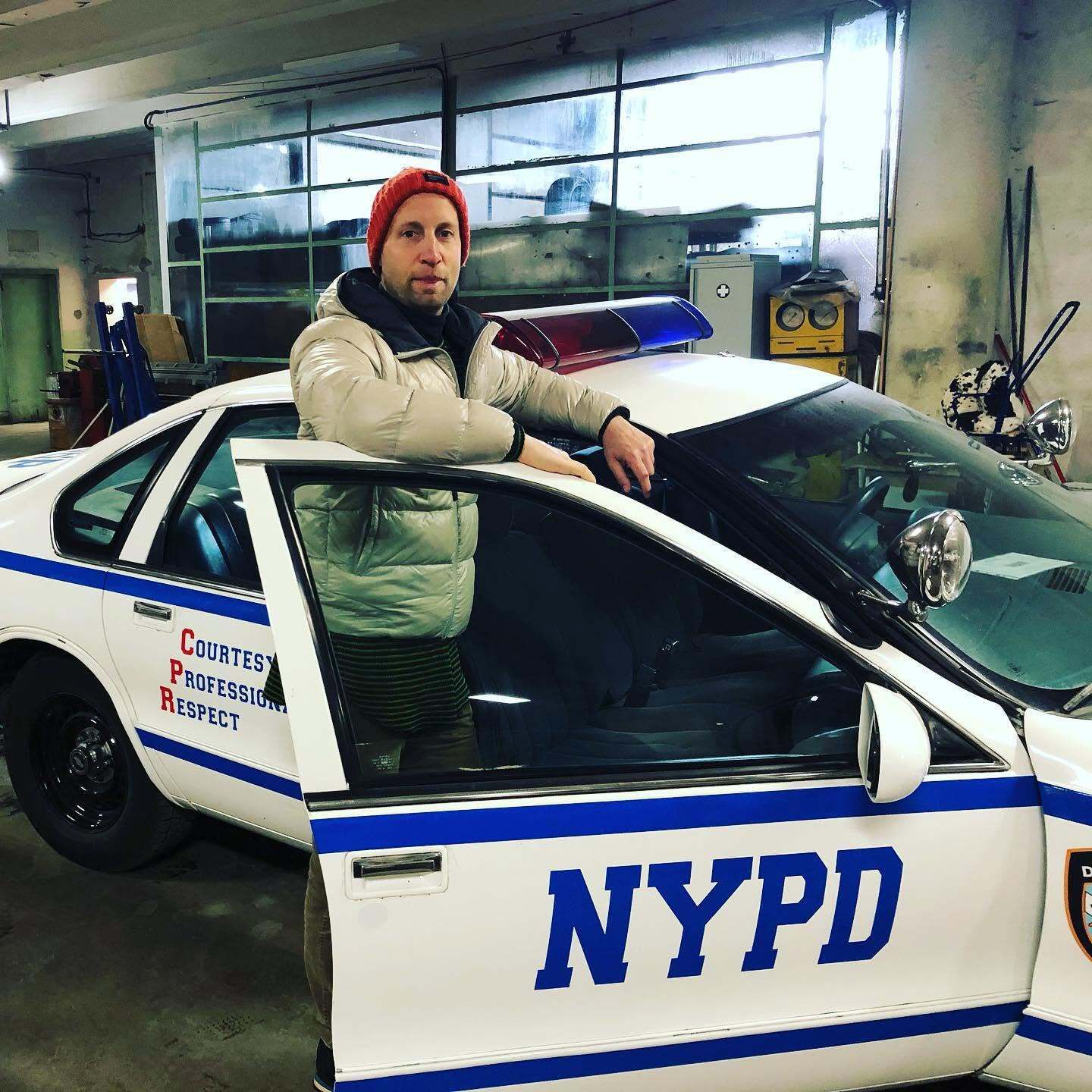
Source: Attila Horvath, Abroad Films
Locations: coast, mountains, and a city that plays several parts
The Black Sea coast
Several hundred kilometres of it, running from wide sand beaches to rocky headlands and old harbour towns with stone streets and tiled roofs. It doubles readily for Mediterranean and Aegean coastline, usually with fewer people in frame and fewer permits to pull.
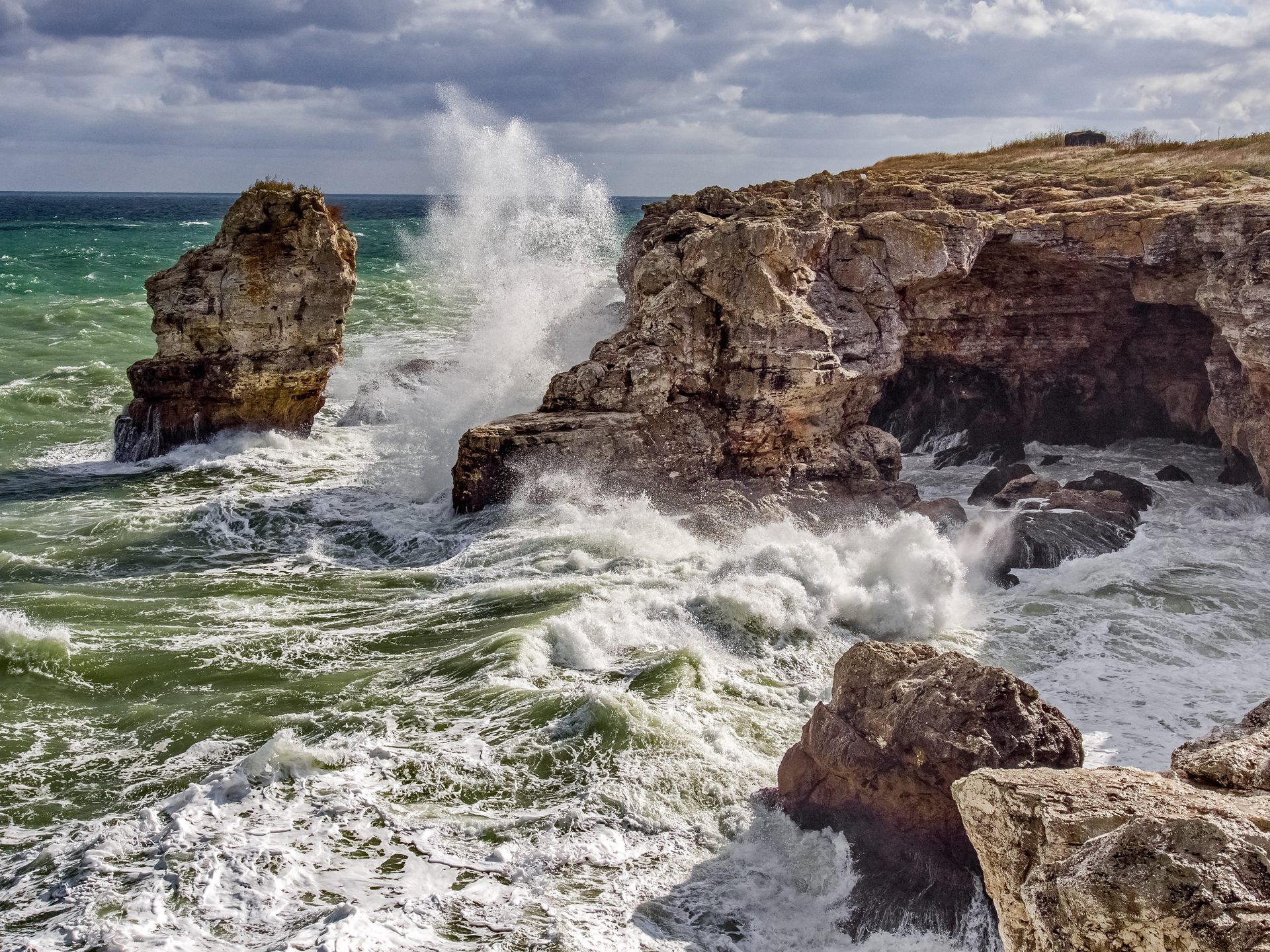
Source: Timotavi, Pixabay
Mountain villages
The Rila, Pirin and Rhodope ranges hold villages that have not been renovated into theme parks. Timber, stone, working farms, roads that go up. For anything needing remote, historic or simply unbranded, this is the deep end of the location list.
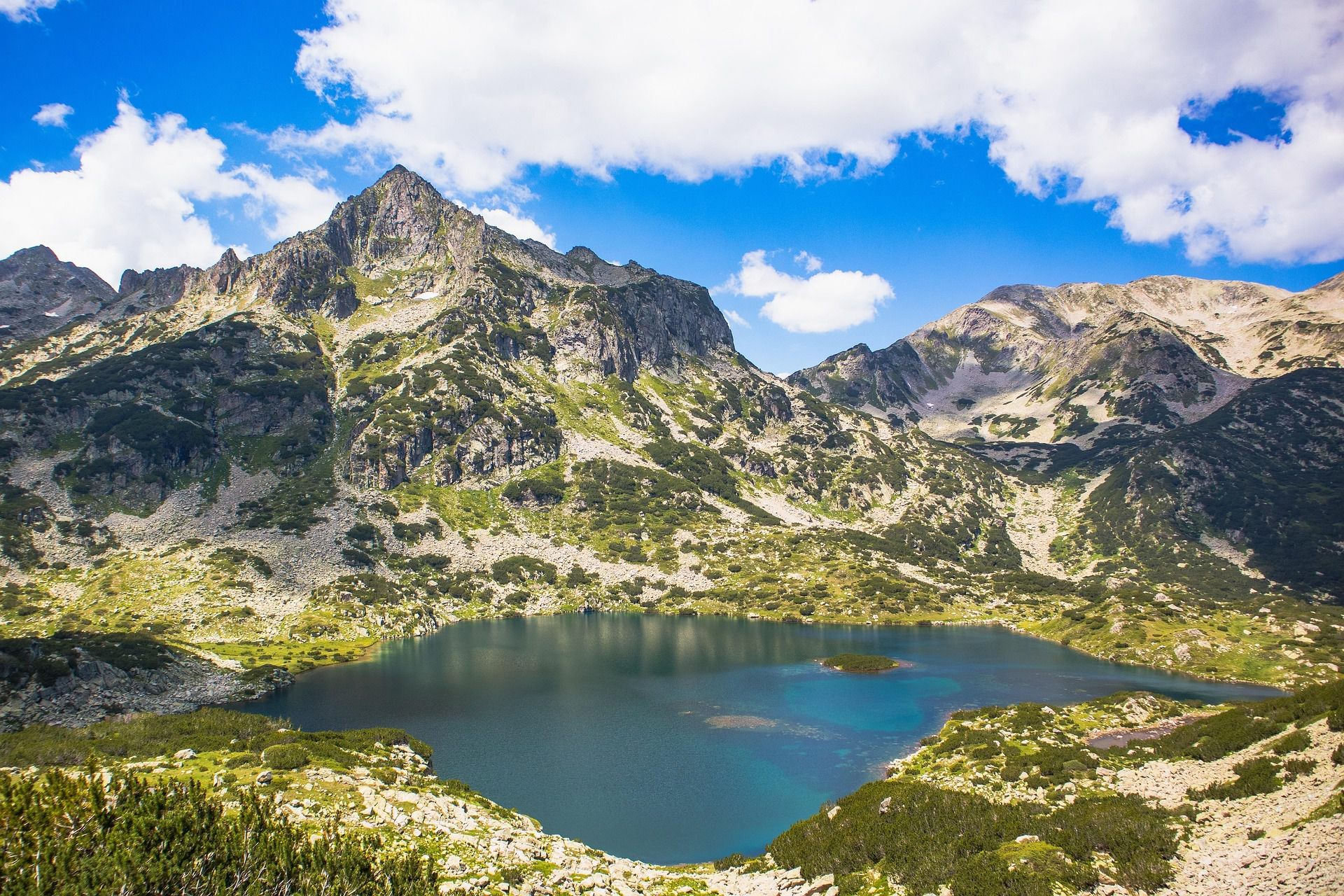
Source: Flamma Vlavius, Pixabay
Sofia and the modern city
Contemporary glass, wide boulevards, Soviet-era concrete and grand nineteenth-century facades sit within a few streets of each other. It gives you modern European city, Eastern bloc period, and institutional interiors without moving the unit.
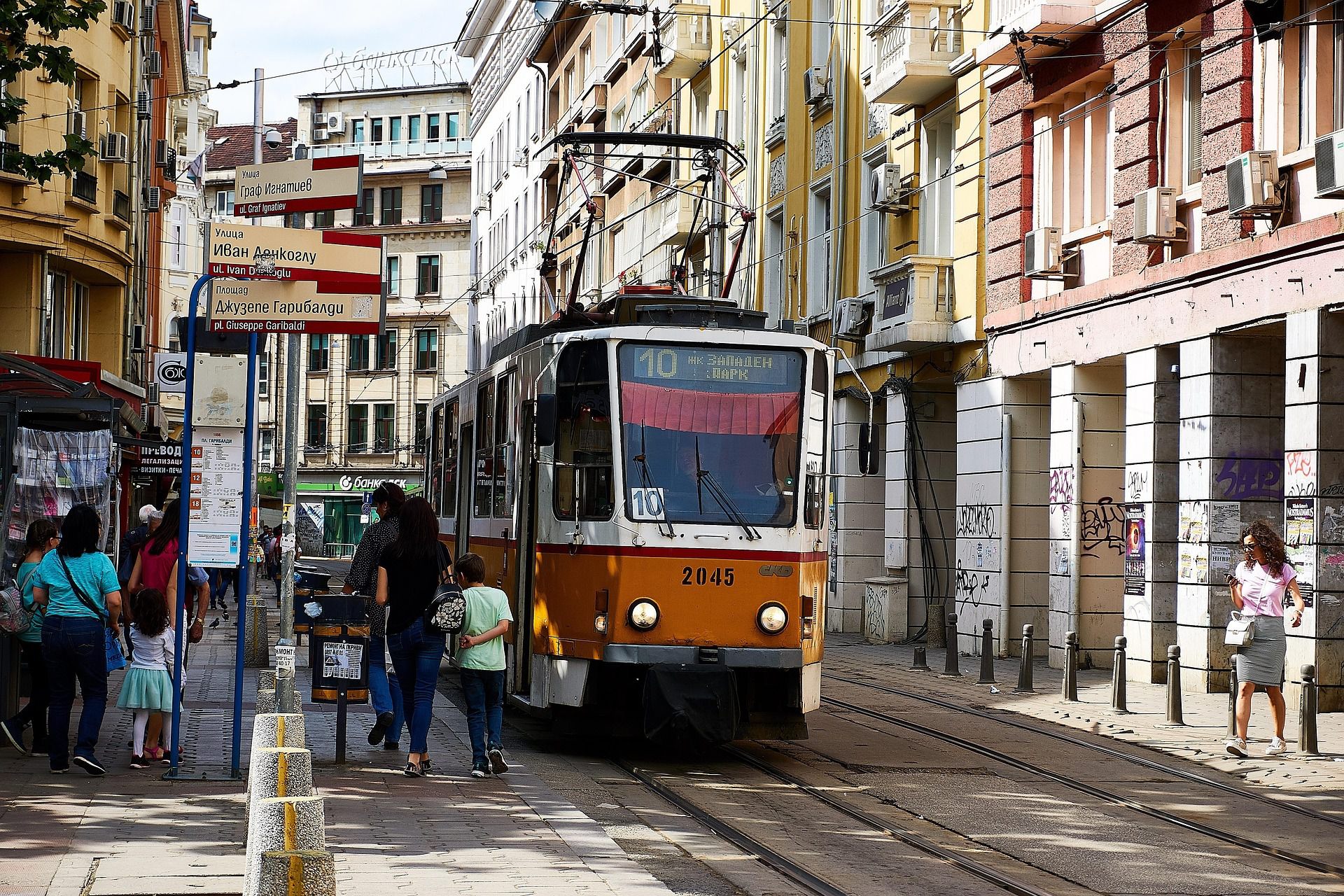
Source: Naknaknak, Pixabay
Rock formations and open country
Limestone escarpments, gorges, plains and forest cover the middle of the map, most of it inside a few hours of Sofia.
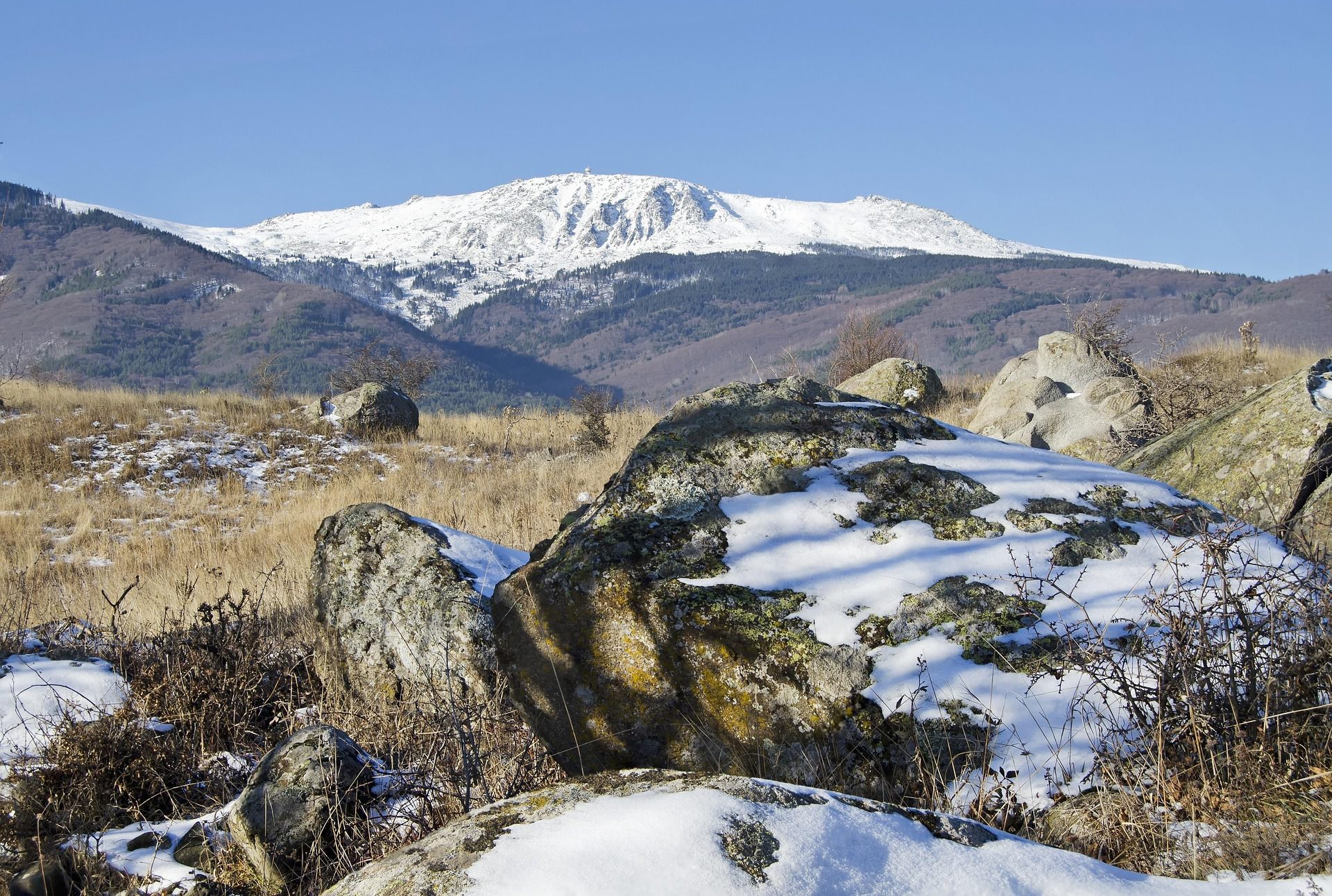
Source: Jdblack, Pixabay
Crew
Crews here work continuously on international productions, which is the only thing that keeps a crew base sharp. Heads of department are used to foreign directors, foreign schedules and foreign paperwork. English on set is standard.
The depth matters as much as the rates. A country can be cheap and still cost you money if you have to fly in three departments.

Abroad Films BTS in Bulgaria
What it costs
The honest version: Bulgaria sits at the lower end of European production costs and the gap against Western Europe is substantial rather than marginal.
Where it comes from is worth understanding, because it isn't a single discount.
Crew rates sit well below UK, French or German equivalents without a corresponding drop in experience level.
Locations are inexpensive to access and, in much of the country, uncrowded — which shortens days as well as reducing fees.
Standing sets and studio hire remove build costs that would otherwise dominate a budget.
Nothing needs shipping: Camera, lighting, grip and specialist kit are available locally, so freight and carnet handling come off the schedule.
The practical result is that a production which would be a modest shoot in Western Europe becomes a considerably more ambitious one here - more days, larger units, or scope that was previously off the table.
The 25% cash rebate, and what changed
Bulgaria's cash rebate has run since 2021, administered by the Bulgarian National Film Center under the Film Industry Act, and the rate has always been 25%. What moved was the ceiling.
In early 2026 the cap per project was raised from €1m to €5m, with productions receiving 25% back on eligible expenses against a total annual programme budget of €10.3m. A €1m ceiling worked for mid-range independent work and second unit. A €5m ceiling brings studio-scale productions into range.
Some practical points that matter more than the headline rate:
- Eligibility is format-based:The scheme covers feature films over 70 minutes, documentaries over 60 minutes, documentary series with episodes of at least 40 minutes, animation over 24 minutes, and films or series made for broadcast or streaming. Advertising work sits outside it — as it does in most European schemes — so for commercial productions the rebate is not part of the calculation. The rest of the case stands without it.
- Apply before you start: Applications are reviewed first-come, first-served, and a project that has already begun work in Bulgaria before submitting its first application is not eligible.
- There are entry conditions on the applicant: A foreign company applying directly must have been registered as a film company for at least two years, and all documents — including the script — go to the National Film Center in Bulgarian. In practice this is one of the clearer arguments for applying through a local service company.
- Watch the annual pot: The €5m per-project cap sits against a €10.3m annual programme budget. Two large claims absorb a meaningful share of a year. Early application is not a formality.
Projects also have to pass a cultural test and be intended for public release or broadcast.
Getting in and getting paid
Two recent changes make Bulgaria simpler to plan around than it was three years ago.
Bulgaria became a full member of the Schengen Area on 1 January 2025, which removes border friction for crew and equipment moving from elsewhere in Europe.
On 1 January 2026 it adopted the euro, becoming the twenty-first member of the euro area. For a production budgeting from London, Amsterdam or New York, that removes a currency conversion and the exchange exposure that came with it.
Sofia Airport connects to most European hubs, with onward domestic transfers short by European standards.
Recent work: TUI's Safety: A Global Film
Safety: A Global Film was shot in Bulgaria with Abroad Films as production service company, working for Missing Link Films and Leo Burnett London. It went on to take a Silver Award in the Travel & Tourism category at the 2025 British Arrows.
The project is a useful illustration of what the country handles well: a global brand film, an international director and DP arriving to a local crew and local infrastructure, and a schedule that had to deliver to agency and client standards without the budget of a Western European shoot.
TUI Safety: A Global Film
Worth a look
Bulgaria's reputation as a low-cost option undersells it. The costs are genuinely low. But the reason productions come back is that the studios hold up, the crews know the work, and the schedule survives contact with reality.
If you're considering Bulgaria for an upcoming production, we can talk through locations, studio availability and how the rebate applies to your format.