The Complete Guide to Filming in Budapest: Locations, Costs & Pro Tips for International Crews
Where to shoot, what it costs, how the rebate works, and the practical stuff nobody puts in the pitch deck
Apr 8, 2026
Budapest has doubled for Paris, Berlin, Buenos Aires and cities that no longer exist. Here's what an international crew should understand before the recce: palace interiors and thermal baths, how budgets compare to Western Europe, the 30% rebate, permit lead times and what a foreign crew actually needs on the ground.
Budapest turns up in more productions than most people realise, usually pretending to be somewhere else. It has stood in for Paris, Berlin, Moscow, Buenos Aires and a fair amount of nineteenth-century Europe generally. Sometimes it plays itself.
The appeal is straightforward. A compact centre with genuine period architecture, a river running through the middle of it, and a working infrastructure of studios, crews and equipment houses that has been servicing international productions for decades. Most of what a shoot needs sits inside a thirty-minute drive.
This is what we tell crews arriving for the first time.
The city doubles for a lot of places
Budapest's centre survived the twentieth century largely intact, which is more than most European capitals can say. The result is a stock of Habsburg-era facades, courtyards and interiors that read as period without dressing.
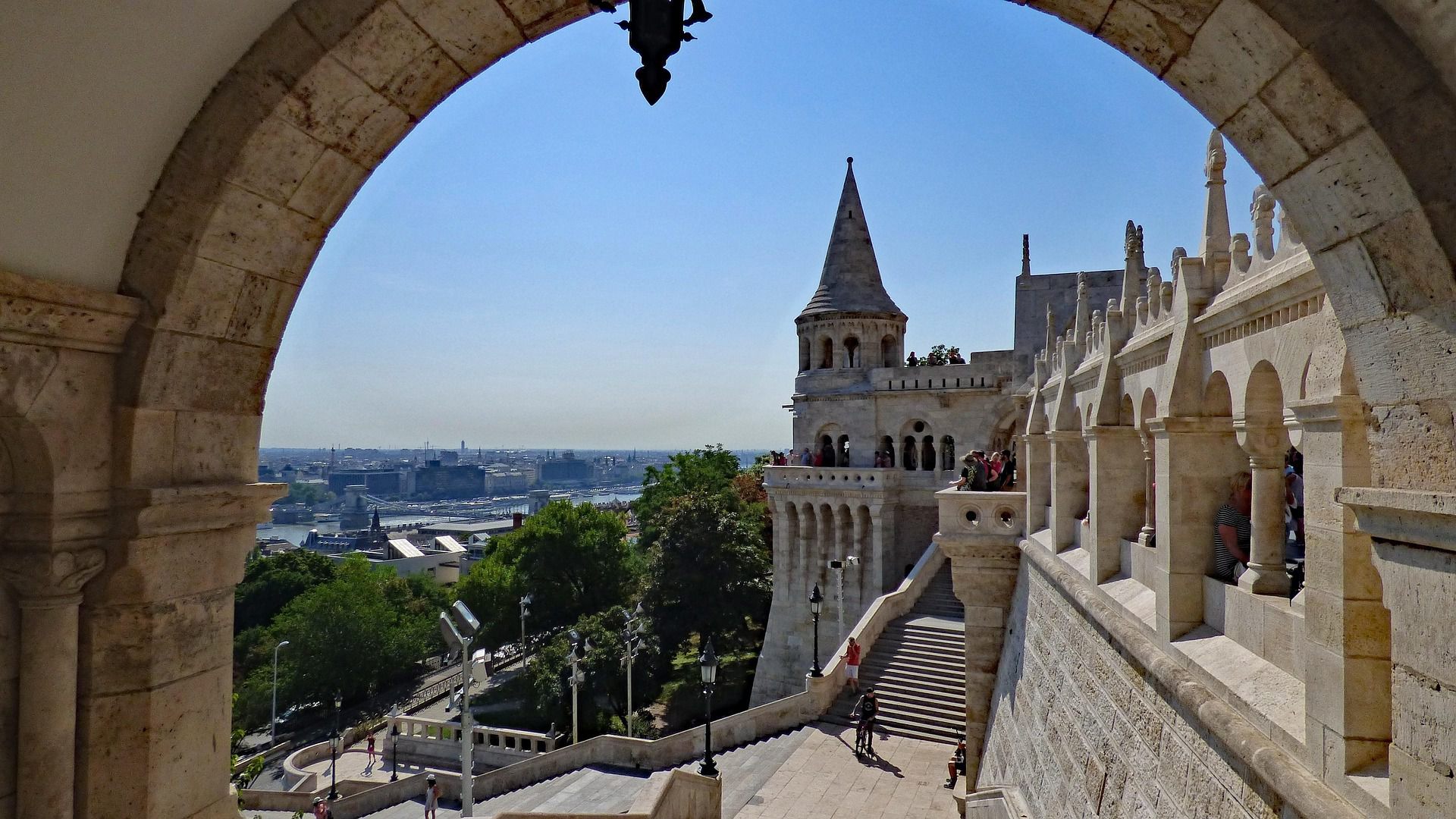
Buda Castle and the Castle District. Cobbled streets, the Fisherman's Bastion, and views back across the river. It reads as fortified old Europe and has done service in everything from period drama to commercials wanting instant scale.
Source: Arvido, Pixabay
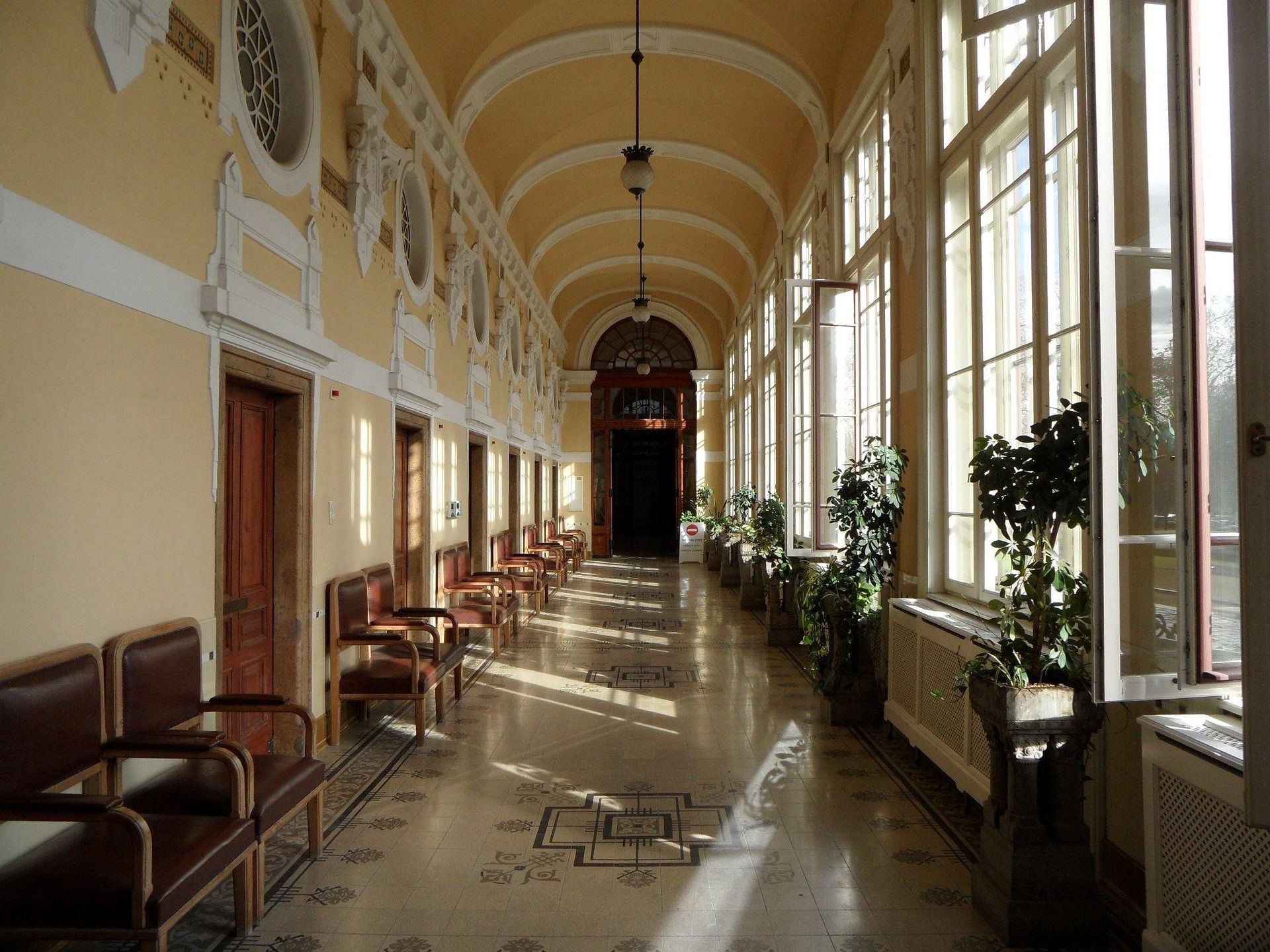
Hidden palaces and interiors. This is the part visiting producers tend not to expect. Behind ordinary street doors there are ballrooms, staircases, libraries and salons — some restored, some in decay, both useful. Several are available for filming through private owners rather than public bodies, which changes the negotiation but often works in a production's favour.
Source: 1545404, Pixabay
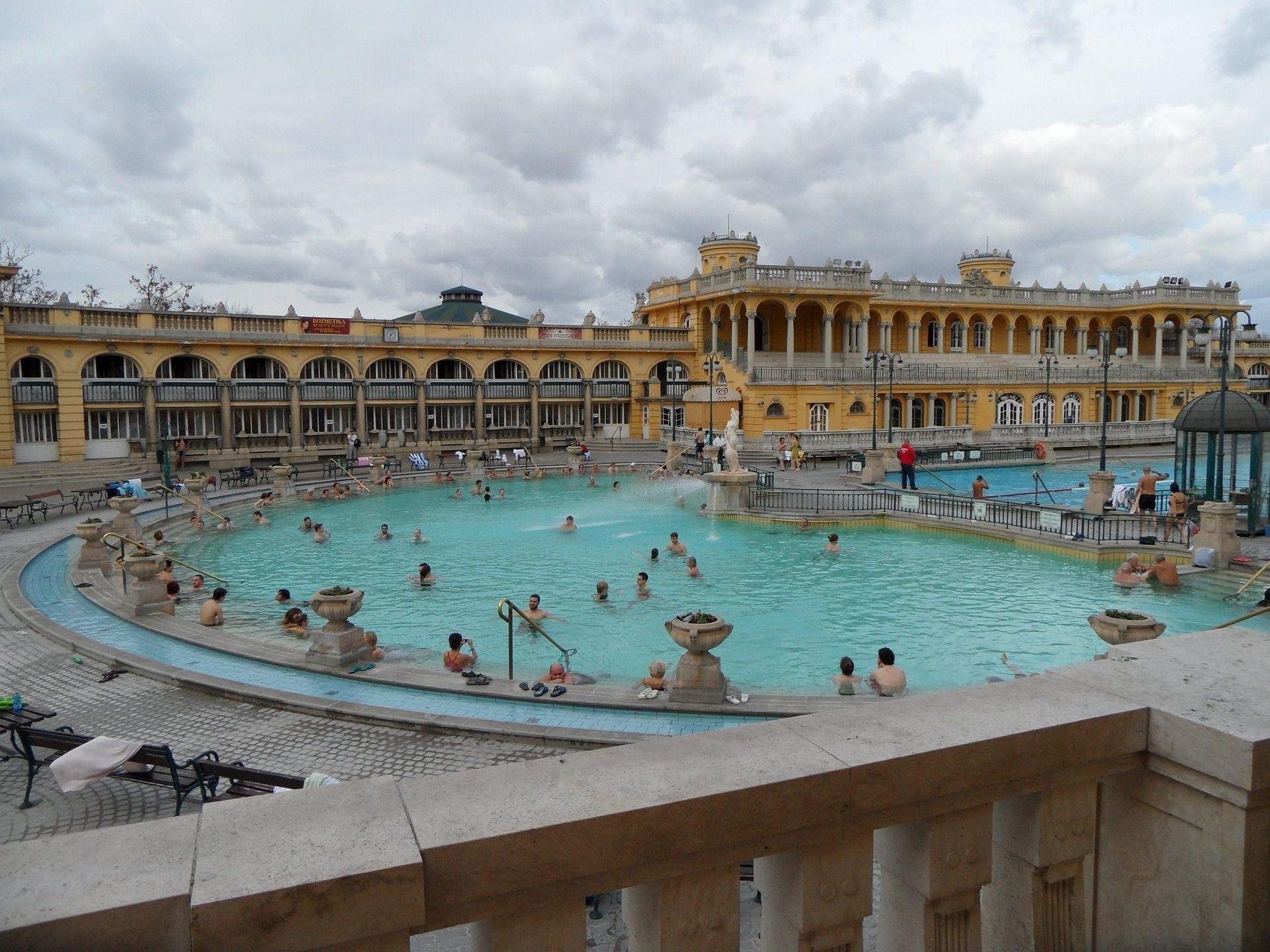
The thermal baths. Széchenyi and Gellért are the recognisable ones. Steam, tile, mosaic, and a quality of light you can't build. They are working public baths, so access usually means early mornings or closed sessions, booked well in advance.
Source: 1545404, Pixabay
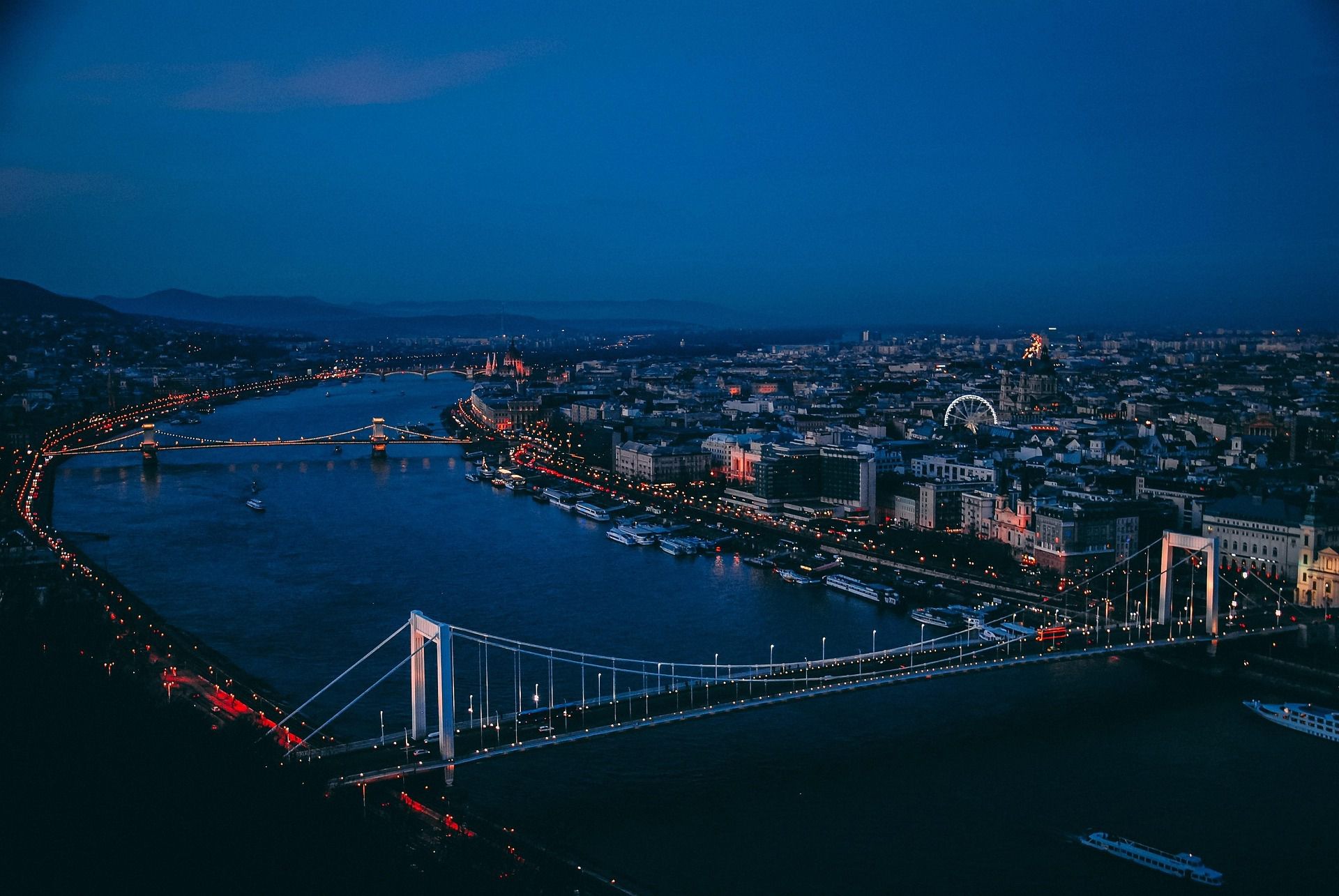
The river and the bridges. The Danube splits the city and gives you the Parliament frontage, the Chain Bridge and embankment work. Bridge and riverbank shooting carries traffic management implications — see permits, below.
Source: Dnovac, Pixabay
Countryside within reach. The puszta grassland, Lake Balaton, the Danube Bend, forested hills and vineyard country are all inside a two-hour drive. Crews regularly base in the city and travel out for exteriors rather than relocating the unit.
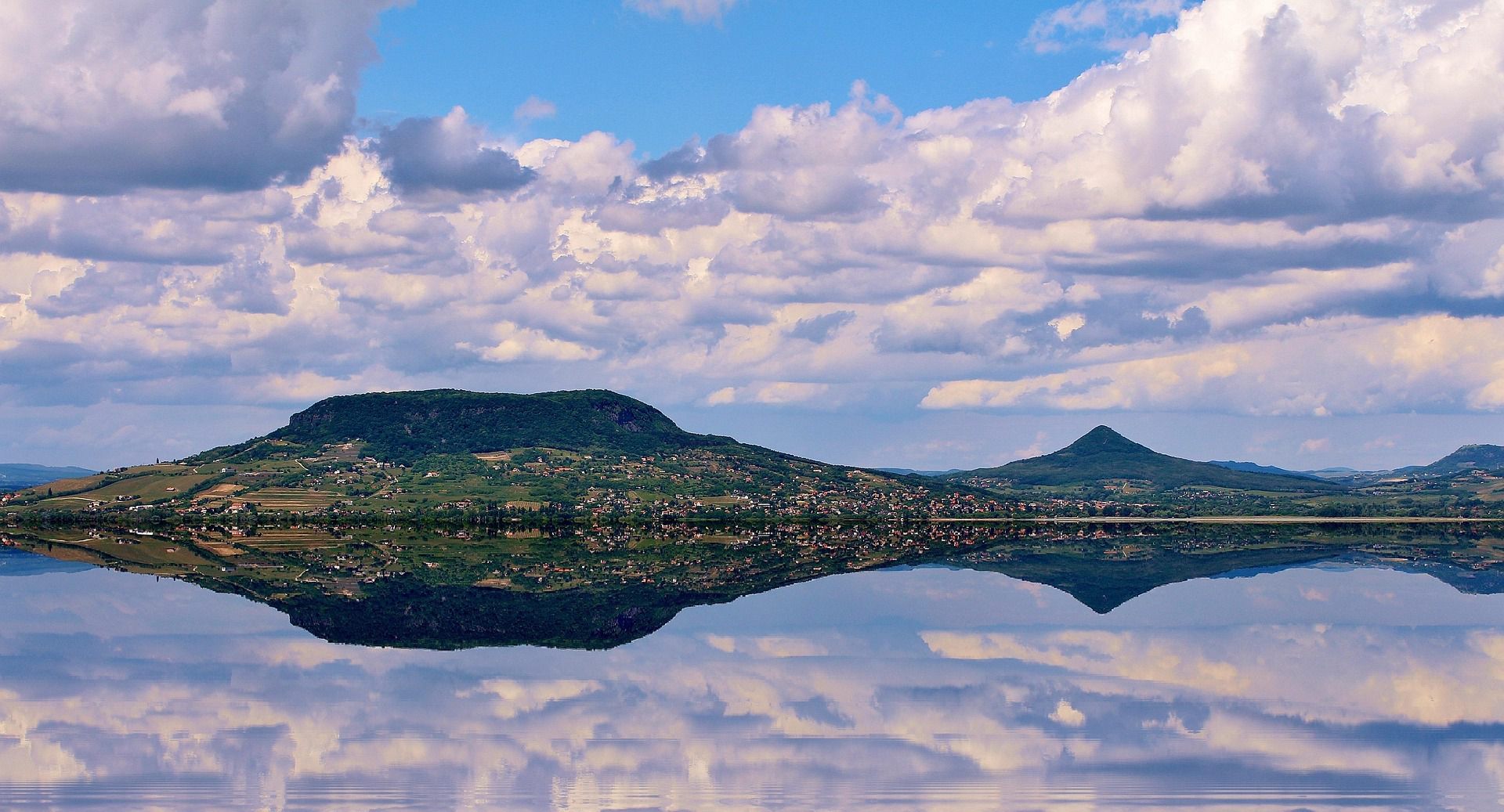
Source: Zsolt71, Pixabay
What it costs compared to London or Paris
The short version is that a shoot day in Budapest goes further than the equivalent day in Western Europe, and the gap is wide enough to change what a budget can buy rather than just trim the bottom line.
It is worth understanding where the difference actually comes from, because it isn't one line item.
Crew
Local rates sit below London and Paris across most departments, and the experience level does not drop with them. Budapest crews work on international productions continuously, which is the whole point — you are not paying Western European rates for Western European standards, you are paying local rates for them.
Locations
Location fees, particularly for private interiors and period buildings, are a fraction of what comparable access costs in London or Paris. Palace and castle interiors that would be prohibitive elsewhere are routinely available here.
Equipment
Almost nothing needs to be shipped. Camera, lighting, grip and specialist kit are all available locally, which removes freight, carnet handling and the schedule padding that goes with them.
Post and support services
Studio space, workshops, art department and post facilities are all local, so a production doesn't fragment across borders.
The practical effect is that budgets which would fund a modest shoot in Western Europe fund a more ambitious one here: more shoot days, bigger units, or locations that were off the table.
The 30% tax rebate
Hungary has run a film incentive since 2004 and it remains one of the more predictable schemes in Europe.
Productions shooting in Hungary can claim a 30% cash rebate on direct production costs spent in the country, guaranteed by the Hungarian state through the collection account managed by the National Film Institute and paid as a post-financing cash refund. The 30% can be extended to an effective 37.5% of eligible spend by including a proportion of non-Hungarian costs.
Two things matter for planning:
- Registration comes before production, not after. The film has to be registered with the National Film Office before shooting starts, and principal photography must begin within six months of the registration decision. Registrations reopened on 1 July 2026 with no limit on the number of applications the office will accept, though processing is running longer than usual while a backlog clears — applications should go in early to secure a place in the queue.
- Not everything qualifies. The scheme covers feature films, series, documentaries and animation made for television or other distribution platforms. Commercials, reality shows, news, sport coverage and talk shows are excluded. If you are here for an advertising shoot, the rebate isn't part of the equation — the cost advantages above are, and they stand on their own.
The programme is approved by the European Commission through 2030, which is worth something in a market where incentive schemes tend to move.
Permits: allow more time than you think
Filming on public land in Budapest goes through a formal permit process, and the lead time is the thing that catches people out (particularly for anything involving road closures, bridges, public transport or the historic core).
Private locations are a separate negotiation with the owner, and can move faster. Mixed shoots involving both public and private ground need both, running in parallel.
The practical advice is simple: lock your locations as early as the schedule allows, and treat the permit timeline as a hard constraint rather than something to be compressed later. A local fixer or service producer handles this as a matter of routine.
Weather and the shooting calendar
Hungary has a continental climate, which means real seasons and a genuinely different shooting proposition depending on when you land.
- Summer (June-August) gives you long days, first light around five, usable light past eight in the evening. It also gives you heat, regularly into the mid-thirties, and afternoon thunderstorms that build fast. Talent in period costume in August is a scheduling problem, not a wardrobe one.
- Spring and autumn are the shoulder seasons most crews prefer. Workable light, moderate temperatures, and greener or more colourful exteriors depending on which end you pick.
- Winter (December-February) is short on daylight (the light goes by four in the afternoon) and cold enough to matter for kit and crew. Plan interiors and controlled environments around the winter light.
Kit and technical capability
Budapest's rental infrastructure is deep. Cameras, lighting, grip and specialist gear are available locally, which means most productions arrive without shipping equipment in.
High-speed and motion-control work is well established here — the technical crews servicing commercial and table-top shoots have been doing it long enough that the specialist operators are local rather than flown in. Studio space is available at a range of scales, from full-size stages to smaller facilities suited to commercial work.
Foreign crew survival guide
The things that determine whether a shoot runs smoothly have little to do with locations. But more with these things:
- Hotels: Base the unit centrally. Budapest is compact and central accommodation puts most locations inside a short transfer, which matters more than the room. District V, VI and VII cover most of what a production needs.
- Catering: Hungarian production catering is used to international crews and dietary requirements are handled without drama. Say what you need at the recce stage, not on the day.
- Transport: Unit moves within the city are quick outside rush hour. Traffic in the centre builds between eight and nine, and again from four. Parking for unit vehicles in the historic core requires arrangement, not optimism.
- Language: Crew English is standard on international productions. Below that level (suppliers, location owners, local authorities) a local production team is doing the talking, which is what they're there for.
- Getting in: Budapest Airport connects directly to most European hubs and takes around half an hour to reach the centre outside peak traffic.
Before you board
Budapest works for international crews because the infrastructure is boring in the best sense: the permits get pulled, the kit turns up, the crew knows the job. The locations are the reason people come. The rest is why they come back.
If you're looking at Hungary for an upcoming production, we can talk through locations, scheduling and what the process looks like from here.